Among the many challenges of data center operations, humidity control is often viewed as a “minor issue”—not as eye-catching as temperature, nor as critical to survival as power. Yet it is precisely this underestimated factor that is quietly becoming a hidden threat to the long-term reliability of IT equipment. When humidity deviates from the ideal range, two diametrically opposed risks emerge: when the air is too dry, electrostatic discharge lurks like a ghost, waiting for its chance; when humidity is too high, metal corrosion erodes every connector and solder joint like a slow-acting poison.
Two Extremes: The Deadly Tug-of-War Between Dryness and Dampness
When the relative humidity in a server room drops below 40%, the risk of electrostatic discharge begins to rise sharply. High-speed circuits inside servers, precision chip pins, and even a single network cable that isn’t fully grounded can all become conduits for accumulated electrical charges. A single, invisible electrostatic discharge is enough to damage critical components on the motherboard, causing intermittent failures, data errors, or even complete destruction. What’s more insidious is that ESD-related failures often don’t manifest immediately—components may have already sustained irreversible damage but only fail suddenly months later, making troubleshooting extremely difficult.
Meanwhile, when humidity exceeds 60% or higher, another disaster is brewing. Water molecules form microscopic liquid films on metal surfaces; when combined with airborne contaminants, they trigger the process of electrochemical corrosion. Green rust spots appear on copper interfaces, contact resistance in connectors gradually increases, and solder joints become brittle and fragile. This corrosion does not destroy the system overnight, but like fine sand in an hourglass, it imperceptibly erodes transmission quality, ultimately triggering unexplained communication failures or power anomalies.
Humidifiers: Precise Intervention at the Cabinet and Data Center Levels
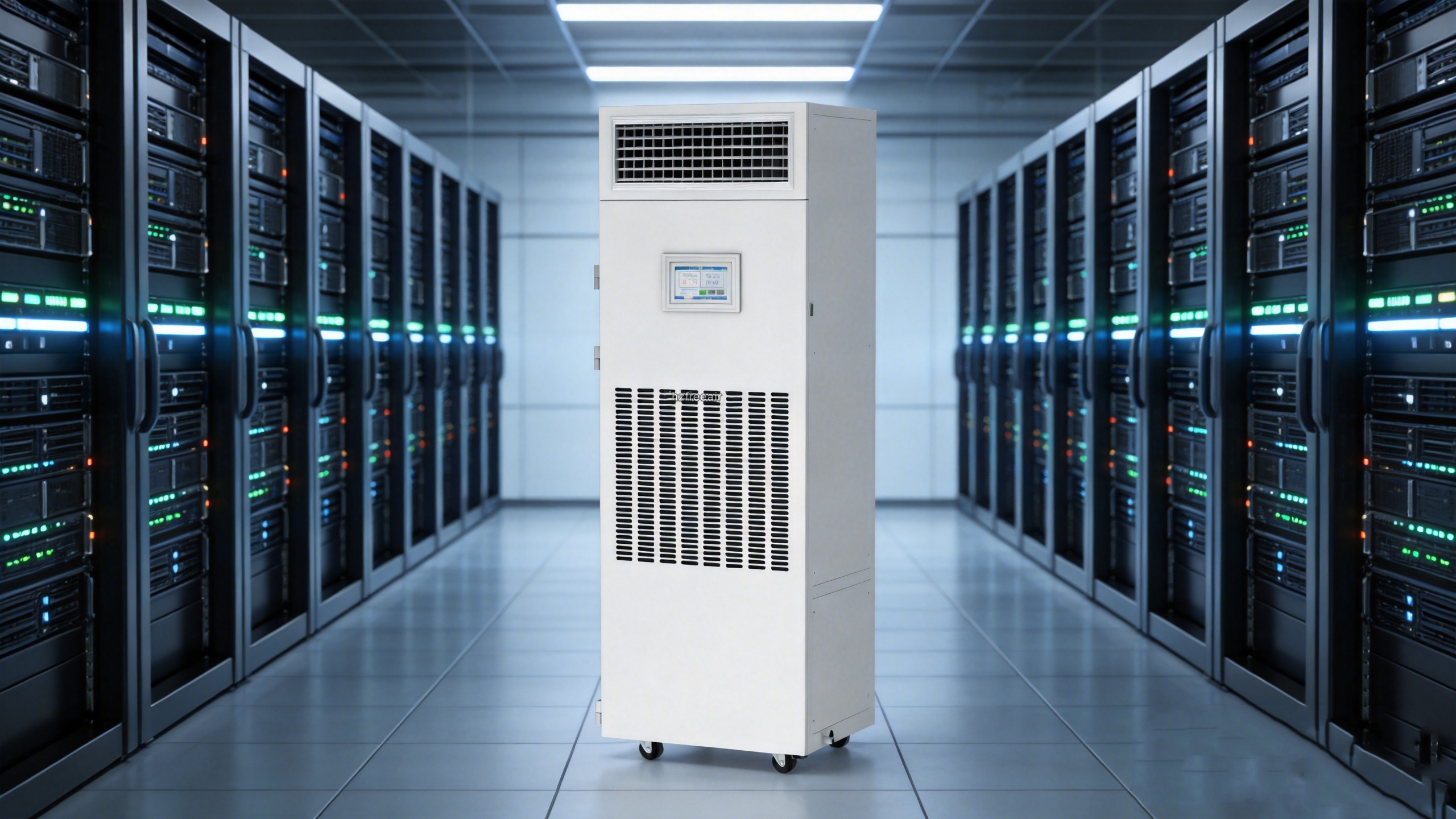
Traditional humidification methods—such as electrode-based or infrared humidification—often suffer from response lag and “overcompensation.” The system only begins humidification when sensors detect low humidity, but water vapor takes time to diffuse, easily leading to localized over-humidification or excessive fluctuations. Humidifiers, however, employ a different technical approach. Their core advantage lies in response speed: utilizing high-efficiency media or ultrasonic technology, humidifiers can vaporize and release moisture within seconds, enabling humidity regulation that is nearly synchronized with load changes. This is particularly critical for modern data centers where server power consumption fluctuates frequently.
Another key feature is mist-free operation. With traditional humidification equipment, if atomization is insufficient, tiny liquid water droplets may be carried by airflow into server racks and directly adhere to circuit boards, thereby increasing the risk of corrosion. The water molecules emitted by constant-humidity units exist in a gaseous state and do not condense on equipment surfaces, completely eliminating the paradox of “humidification causing dampness.”
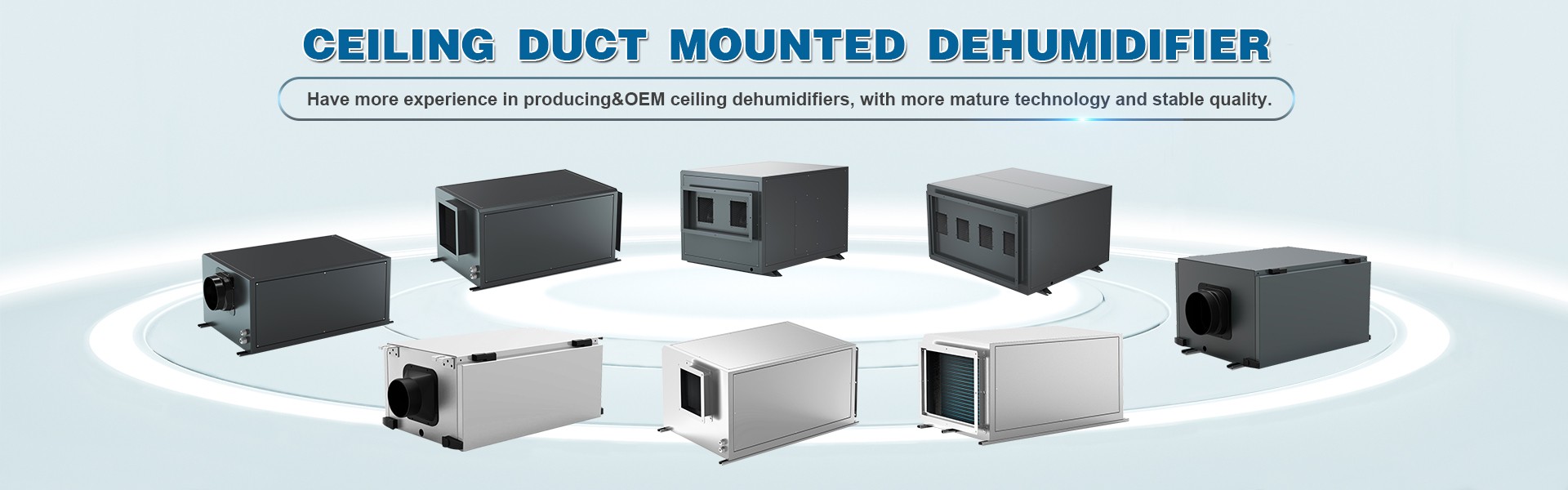
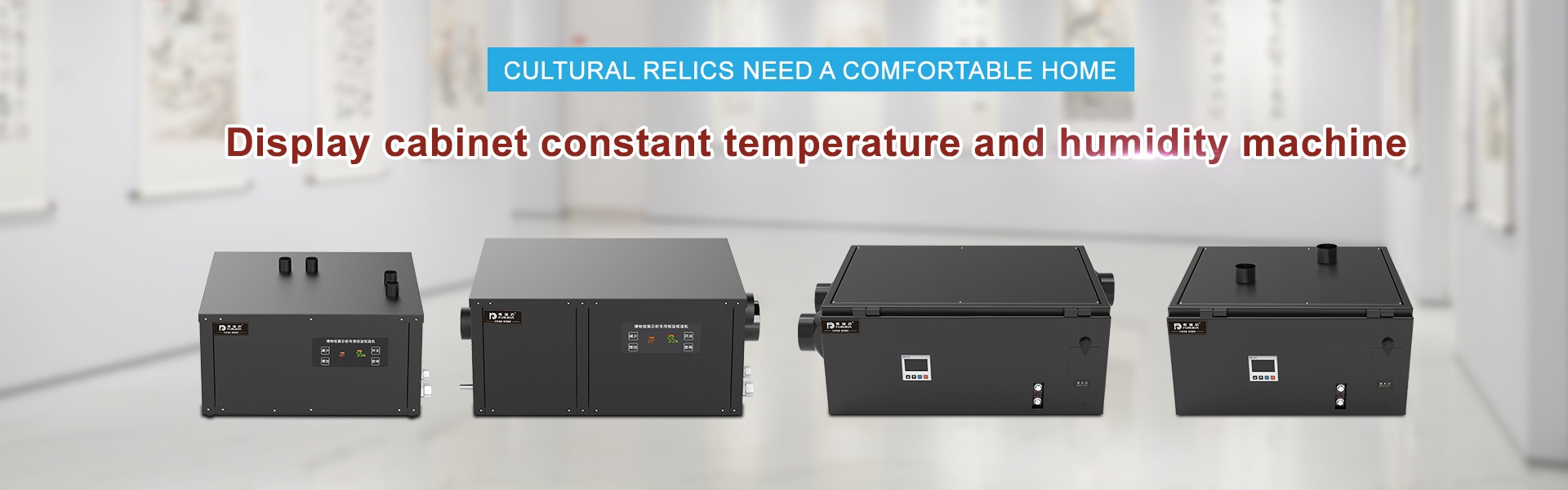
At the deployment level, constant-humidity units offer flexible options for rack-level or data center-level solutions. Cabinet-level deployment embeds the humidity control unit directly inside the server cabinet, creating an independent microenvironment, which is particularly suitable for high-density areas or equipment with special drying requirements; data center-level deployment works in conjunction with the air conditioning system to meet the basic humidity requirements of the entire space. The two approaches are not mutually exclusive and are often used in combination in practical applications—data center-level systems handle the overall baseline, while cabinet-level systems provide fine-tuning for hotspots.
Coordination with Precision Air Conditioners: The Art of Controlling Dew Point Temperature
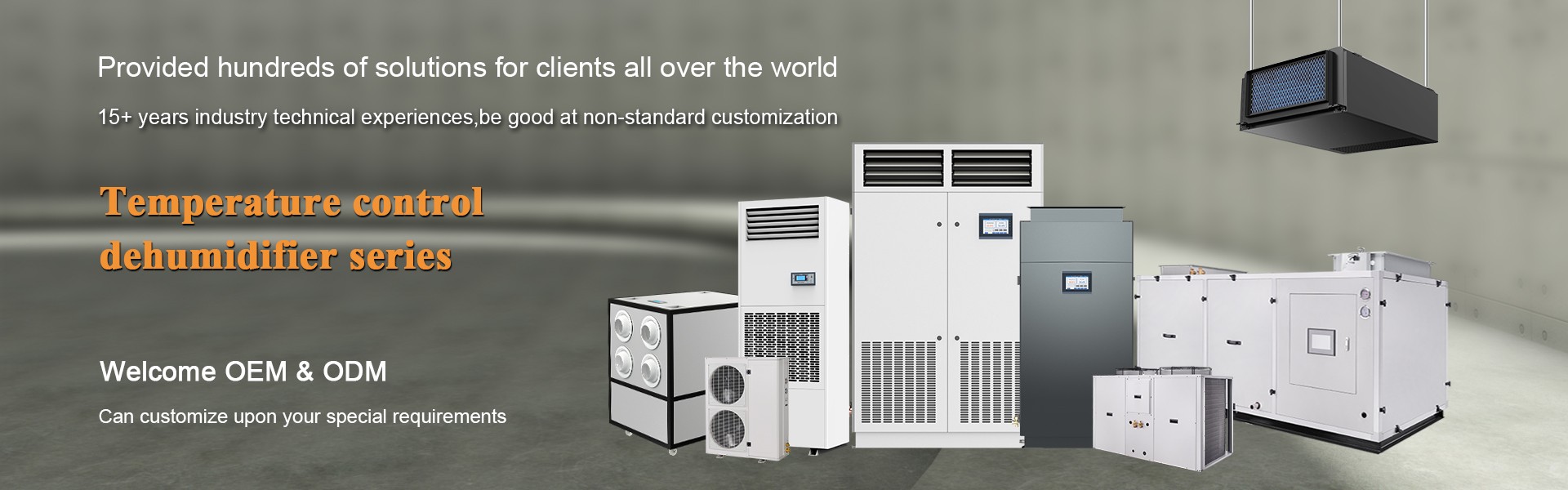
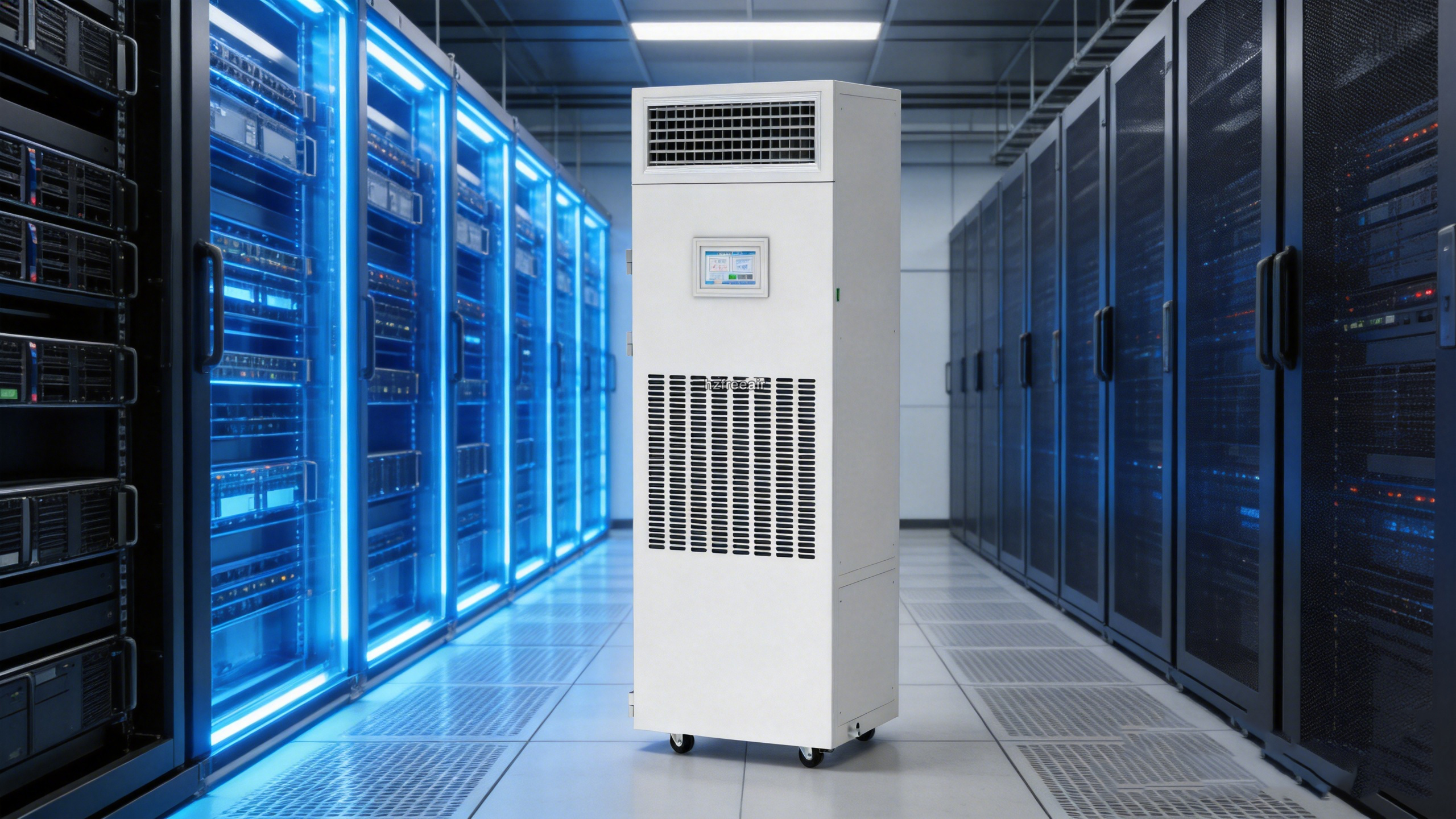
Humidifiers do not operate in isolation. Precision air conditioners—the core thermal and humidity control units in data centers—are primarily responsible for sensible cooling. However, as precision air conditioners cool the air, they naturally produce condensation, which passively reduces air humidity. This is the root cause of the phenomenon where data centers become “colder and drier” as temperatures drop.
True humidity balance lies in the coordinated control of dew point temperature. The dew point determines when water vapor begins to condense. Through the interlocking control logic between the humidity control unit and the precision air conditioner, the system ensures that the evaporator temperature of the air conditioner remains consistently above the air’s dew point, thereby preventing unnecessary condensation and moisture loss. At the same time, the humidity control unit actively supplements moisture when needed, stabilizing humidity within a narrow range (typically recommended relative humidity of 40%–55%). This range has been repeatedly validated through practical experience: it is above the threshold for electrostatic sensitivity and below the critical point where metal hygroscopicity accelerates corrosion.
The intelligent control system simultaneously monitors both temperature and humidity parameters and uses algorithms to predict trends in load changes. When a new batch of servers comes online and causes localized heat generation, the precision air conditioner adjusts its cooling output, while the humidity control unit responds in sync to potential humidity fluctuations, avoiding the passive scenario of “first losing control, then correcting it.”
The Cornerstone of Long-Term Stability
The reliability of a data center is never the result of a single piece of equipment, but rather the outcome of all subsystems working in concert. Humidity control may seem minor, yet it directly impacts the lifespan of circuit boards, the contact reliability of connectors, and the equipment’s ability to withstand unexpected static electricity. The introduction of humidity control units is not about achieving “the more precise, the better” humidity control, but rather about forming a closed-loop system with precision air conditioners to find the balance—within the safe limits of dew point temperature—where neither static electricity is allowed to run rampant nor corrosion is permitted to take hold. When this balance is truly mastered, the long-term stable operation of IT equipment is firmly guaranteed.
 vivienhu0427@hotmail.com
 +86 15958041362
 vivien@hzfreeair.com